Blair's Valley Conservation Group Mercersburg, PA

The History of Blair's Valley

A quiet Appalachian corridor that shaped the French & Indian War frontier, sheltered freedom seekers on the Underground Railroad, and was ridden through — twice — by Confederate cavalry on their way to burn Pennsylvania.

Overview

Blair's Valley as a Border Corridor

Blair's Valley sits near the Pennsylvania–Maryland boundary, and its best-documented history is its role as a border corridor. First in the French & Indian War era, when nearby frontier defenses guarded the Conococheague Settlement from the Warm Spring Indian Trail. Then in the antebellum period, when the valley road became one of the Underground Railroad's quiet northward passages. And most vividly during the Civil War, when the valley road was used — not once but three times — for rapid cavalry movement into Pennsylvania.

Two Pennsylvania state historical markers placed on Blairs Valley Road memorialize that corridor function directly. One commemorates Stuart's 1862 incursion. The other marks McCausland's 1864 approach to the Burning of Chambersburg. Both were relocated onto Blairs Valley Road specifically to reflect the actual route used by the Confederate cavalry. Their placement is itself evidence of what this road was.

The valley's geography explains why stories cluster around route control: who could pass unseen, where a column could thread north through the ridges, where livestock could be hurried away, and where a small force could delay a larger one by controlling confined approaches. That corridor logic runs through every chapter of this valley's history.

"Over this road Gen. John McCausland's Confederate cavalry marched north on July 29, 1864. By way of Mercersburg, they reached and burned Chambersburg next morning."

— Pennsylvania Historical & Museum Commission marker, Blairs Valley Road
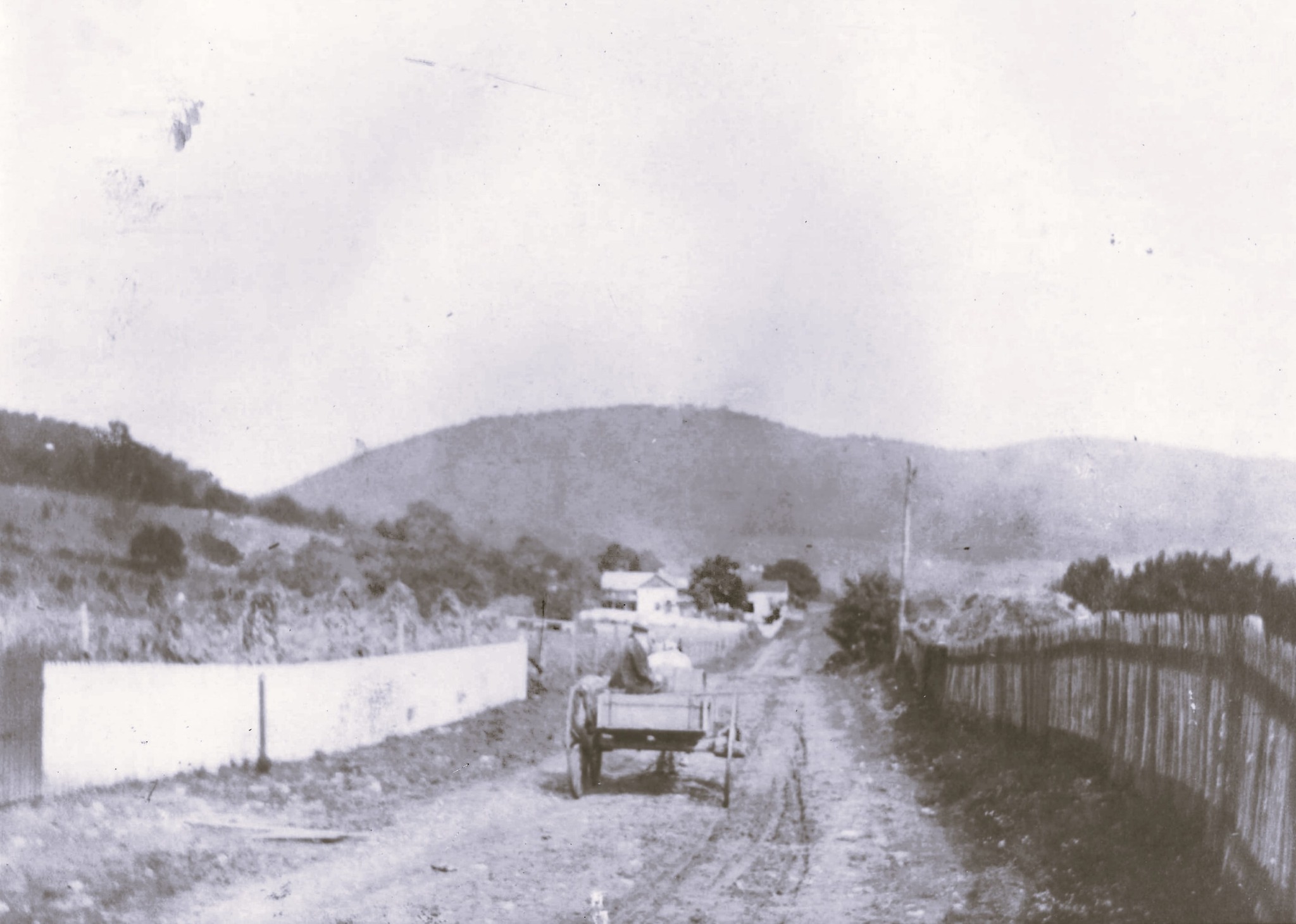
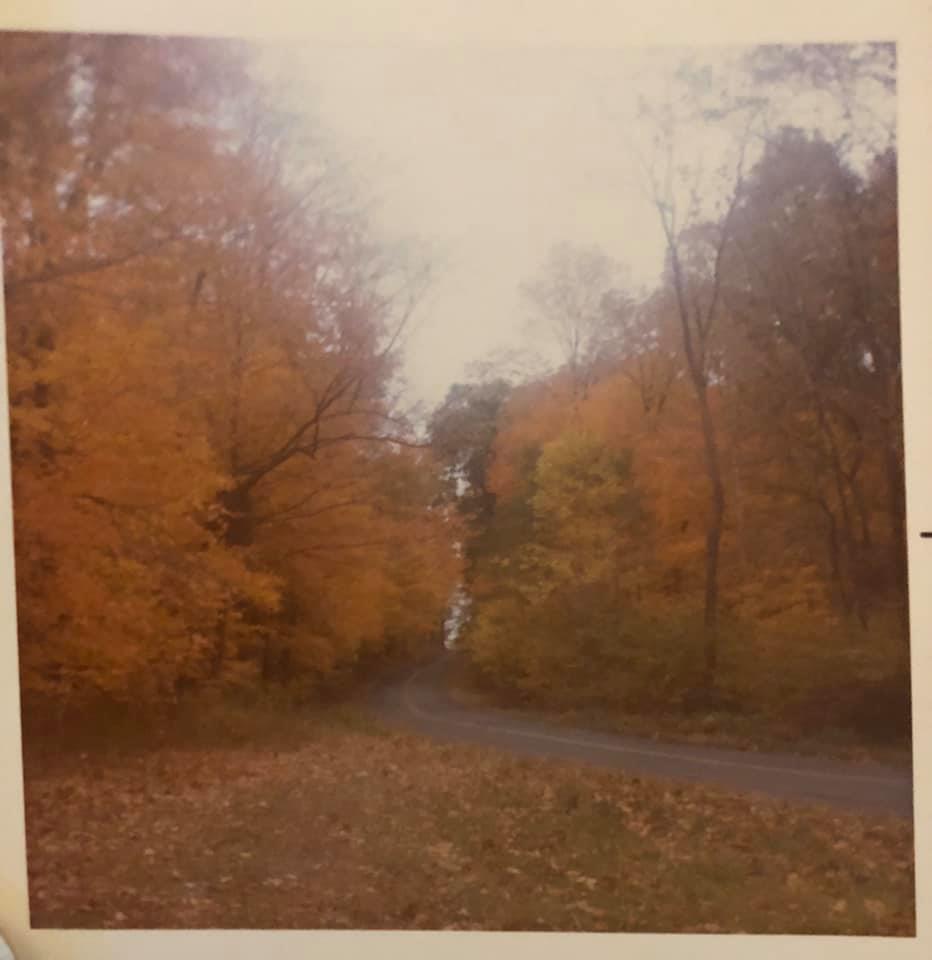
Blair's Valley road looking north toward the ridge

Looking north along Blairs Valley Road toward the Tuscarora ridge — the same route traveled by Native peoples, frontier settlers, escaped slaves, and Confederate cavalry on three separate occasions.

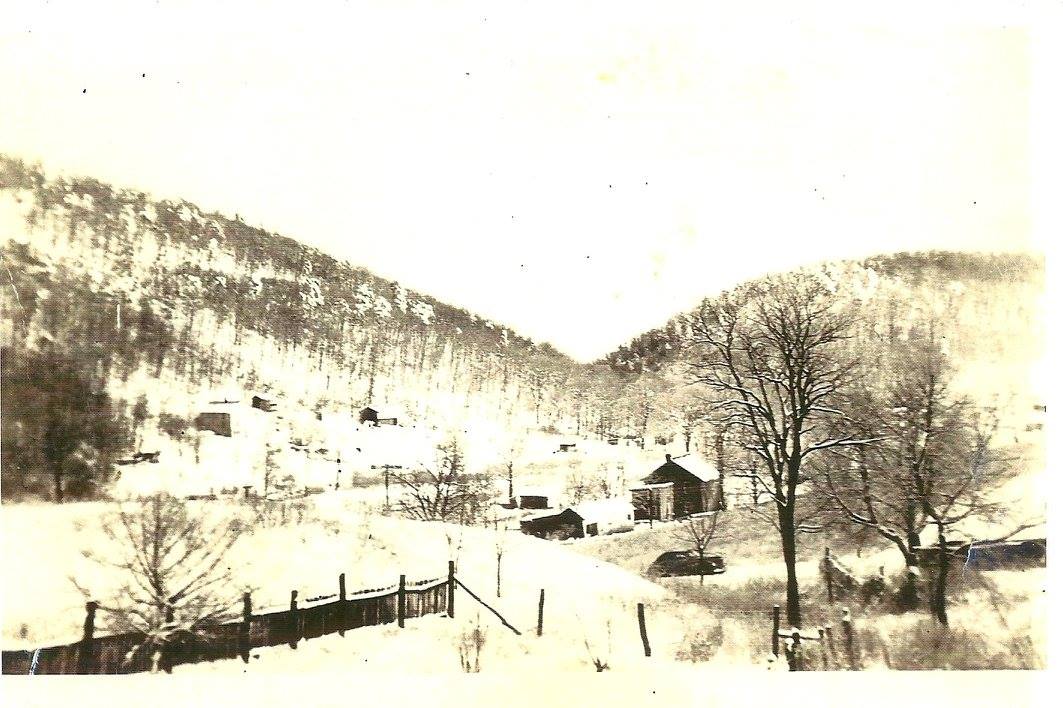
Blair's Valley in the 1940s
Blair's Valley looking south, c. 1940s — the valley floor has changed little since the first settlers arrived two centuries earlier.
1730s – 1800s

Scots-Irish Settlers & the First Families

The broader Mercersburg area was first settled by James Black, a Scottish-Irish immigrant, around 1730 — the town was originally called "Black's Town" before being renamed Mercersburg after General Hugh Mercer, a hero of both the French and Indian War and the American Revolution. Blair's Valley, running south from Mercersburg toward the Maryland line, was among the first rural stretches settled as farms spread outward from the town center.

The valley took its name from the Blair family, Scots-Irish immigrants who established farmsteads among the ridges. According to the valley's church manuscript, Andrew Blair purchased his original home site on April 19, 1749 — a date still remembered in local tradition. By the late 1700s, several interconnected farming families — including the Blairs, Bartles, Brickers, Buchanans, Davises, Doughertys, Drewrys, Hawbakers, Lawtons, Swords, Walkers, and Wises — had put down roots in the valley. They cleared the bottomland, built log homes and barns, and established small community institutions.

Among those institutions was a log church. Formally established on September 13, 1844, when Rev. Levi Mills purchased the site from Robert McClanathan, the deed required that a church be built and the land used for church purposes "in perpetuity." The deed also included language allowing broad ministerial use when not occupied by the Methodist Protestant minister — evidence of pragmatic religious tolerance in a dispersed valley community. The church still stands today, one of the oldest surviving structures in the valley.

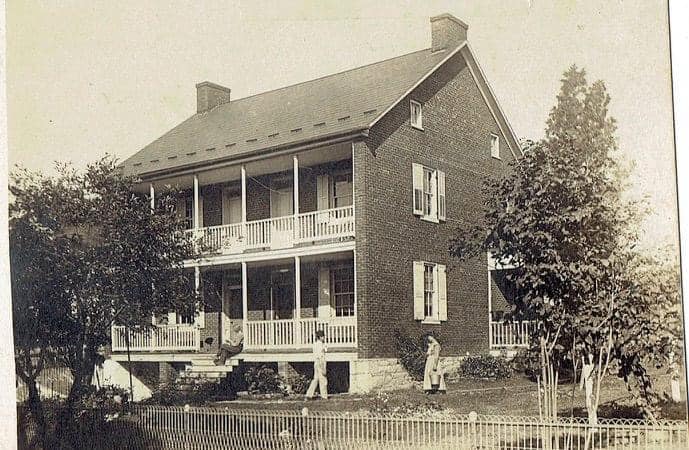
The Lawson Farmstead, Blair's Valley

The Lawson Farmstead, one of the valley's original family homesteads. The Lawson family cemetery nearby is one of the conservation group's active preservation projects.

1749

Blair Purchase

Andrew Blair purchases his original home site in Blair's Valley on April 19, 1749 — the settlement milestone remembered in the valley's church manuscript.

c.1755

Fort Marshall

A settlers' refuge is built near the Warm Spring Indian Trail to serve as a daily militia patrol station guarding the southwestern frontier of the Conococheague Settlement during the French & Indian War.

1844

Log Church Established

Rev. Levi Mills purchases the church site from Robert McClanathan on September 13, 1844. The deed requires a church be built and the land used for religious purposes in perpetuity.

Est. September 13, 1844

The 1844 Log Church

Blair's Valley settlement dates to the early 1700s, but it was not until the mid-nineteenth century that the valley's scattered farming families came together to build a permanent house of worship. On September 13, 1844, the church's formal beginnings were recorded in a deed between Rev. Levi Mills and Robert McClanathan — a document that required a church be built and the land used for church purposes in perpetuity.

The church that rose from that deed was a simple one-room structure of hand-hewn logs, built by the same families who had farmed the valley floor for generations. Early residents had worshipped by traveling to Clear Spring or Mercersburg or gathering in homes until a local church became necessary. The 1844 church changed that — it was the valley's own. The deed's language allowing broad ministerial use reflected a practical ecumenism common to dispersed rural communities: when the Methodist Protestant minister was absent, others could preach.

For decades the church served as the spiritual and social center of valley life. By the 1960s it had fallen silent. A preservation effort eventually restarted under chairman Guy Hawbaker in May 1985, with restoration completed within a year and commemorative services held in May and September 1986. In November 2024, Blair's Valley Conservation Group acquired the church, committing to its long-term preservation.

"They built it of logs and faith. Nearly two centuries later, it still stands."

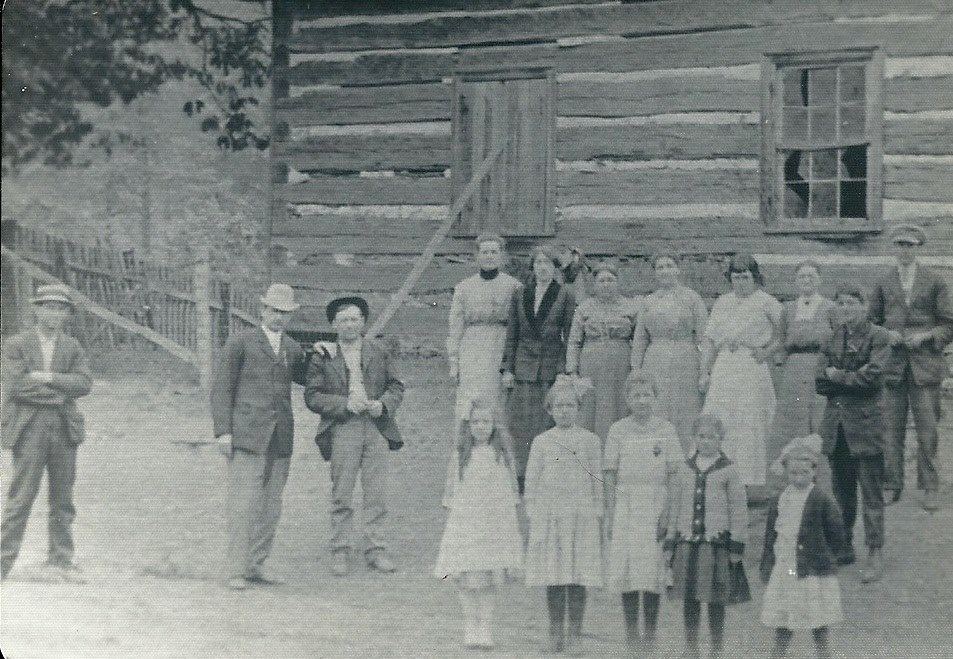
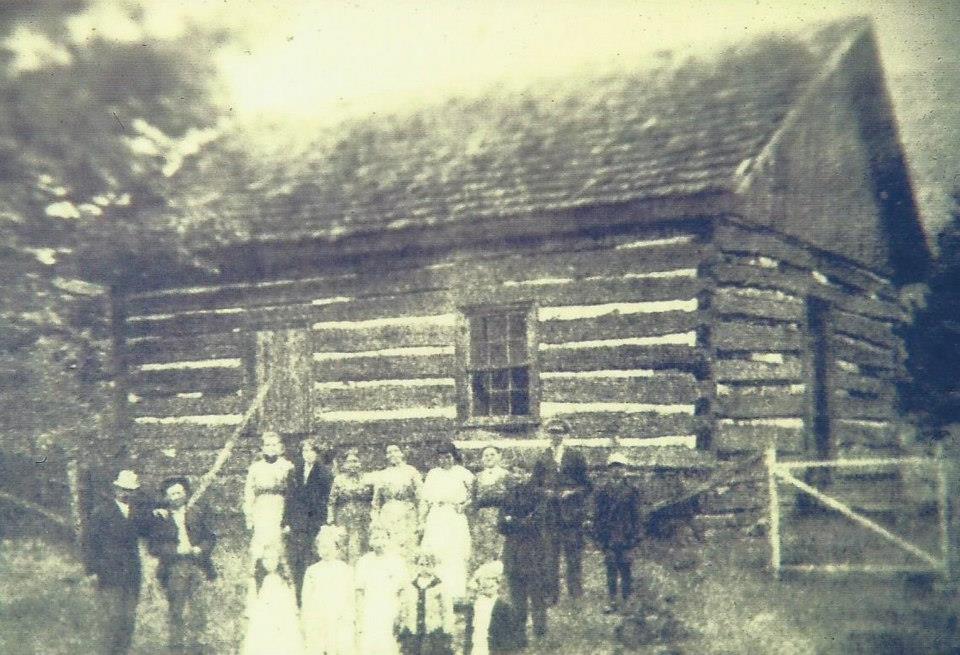
The Log Church congregation, early 20th century

An early congregation gathered in front of the Blair's Valley Log Church. The original log-and-chink construction is clearly visible behind them.

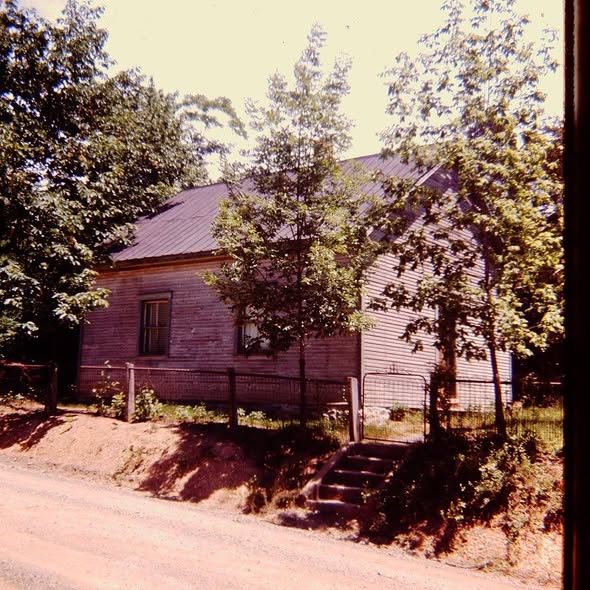
The Log Church, c. 1960s

The church as it appeared in the 1960s — already showing its age, but still standing as it does today.

1830s – 1865

The Underground Railroad

Blair's Valley played a quiet but significant role in one of America's most dramatic stories. Lying just north of the Mason-Dixon line, the Mercersburg area was a critical threshold for enslaved people fleeing north to freedom. Blair's Valley Road was one of the routes they walked.

Franklin County's position on the Mason-Dixon line and its mountainous terrain made it important to the Underground Railroad. One established escape route followed the Warm Springs Indian Trail — parallel to today's Route 75 — north into Mercersburg and then continued through established communities and road corridors toward links in the larger freedom network. The Mercersburg Historical Society records that many escapees "walked on a path through Blairs Valley" into Pennsylvania and that some settled in a community southwest of Mercersburg that became known as "Little Africa," while others continued toward Cove Gap and beyond.

Local farmers sheltered those who came through, feeding them and deciding whether to keep them hidden or move them on to the next station. The passage through Blair's Valley was dangerous. The Fugitive Slave Act of 1850 had made slave-catchers a constant threat in the region, and the proximity to the Maryland border made capture a real risk at every turn. Much of this history survives in oral tradition precisely because the activity was clandestine — documented not in public records but in community memory.

"In our area many of the escaping slaves walked on a path through Blairs Valley that led into Pennsylvania, guided by which side of the trees the moss lay."

— Mercersburg Historical Society
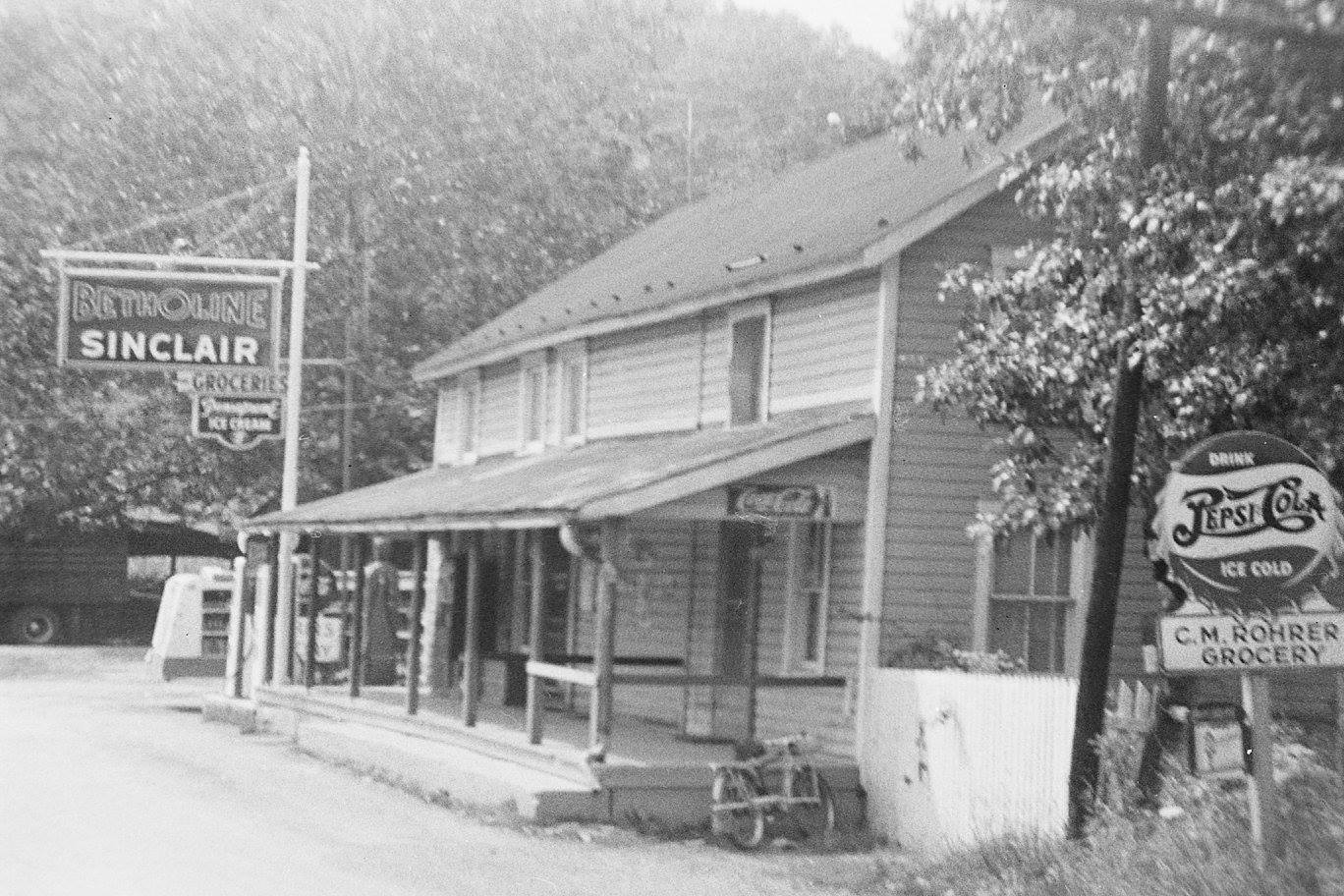
C.M. Rohrer Grocery, Blair's Valley

The C.M. Rohrer store in Blair's Valley — a community landmark where locals gathered for generations, and along a road that freedom seekers also traveled by night.

Blair's Valley landscape
October 10, 1862

Stuart's Raid — The Confederacy Comes to Blair's Valley

On the morning of October 10, 1862 — just three weeks after Antietam — Confederate Major General J.E.B. Stuart led approximately 1,800 cavalry and four artillery pieces across the Potomac River into Pennsylvania. Their route took them directly through Blair's Valley. Old Mercersburg (Woman's Club of Mercersburg, 1912) records the advance explicitly: the column moved "through the Blair's Valley road into the 'Corner'." As they moved through the valley, Confederate riders halted men heading toward the river, releasing those they determined to be Maryland men.

The Confederates occupied Mercersburg for approximately two hours. Citizens initially mistook advance elements for Union cavalry — the confusion documented in Old Mercersburg, which records their impression of "several thousand" horsemen. The column commandeered the town square, looted merchants, and seized hundreds of pairs of boots and shoes. Nearly every farmer along the line of march lost two to five horses. One local farmer, Adam Hoke, lost no less than eighteen.

Nine Mercersburg residents were taken as hostages — carried south as the column moved on toward Chambersburg. Stuart returned to Virginia having ridden completely around the Union Army of the Potomac: 120 miles in under 60 hours. President Lincoln, furious, replaced General McClellan as Army commander weeks later.

The state historical marker for the 1862 raid now stands on Blairs Valley Road, relocated there to reflect the actual route used — "to reflect the actual route" taken by Stuart's column north into Pennsylvania.

October 10, 1862 — Stuart's Route Through the Valley

  • Stuart crosses the Potomac at McCoy's Ford at dawn with ~1,800 cavalrymen and 4 cannons
  • Column advances "through the Blair's Valley road into the 'Corner'" — Old Mercersburg, p. 148
  • By noon, Confederate forces occupy Mercersburg's town square
  • Merchants looted; horse seizures along entire line of march (2–5 per farm; Adam Hoke lost 18)
  • 9 civilians taken hostage; some held for months at Libby Prison in Richmond
  • By 2:30 p.m., column moves east toward Chambersburg
  • Stuart circles the Union Army — 120 miles in under 60 hours — reentering Maryland near Emmitsburg Oct. 11
  • Lincoln replaces McClellan, November 7, 1862

By the Numbers

  • ~1,800 Confederate cavalrymen in Stuart's raiding force
  • 4 12-pound artillery pieces carried on the raid
  • ~2 hours Stuart occupied Mercersburg
  • 9+ Mercersburg civilians taken hostage (at least 10 named in sources)
  • 18 horses seized from Adam Hoke alone
  • 120 miles covered in under 60 hours — a complete circuit of the Union Army
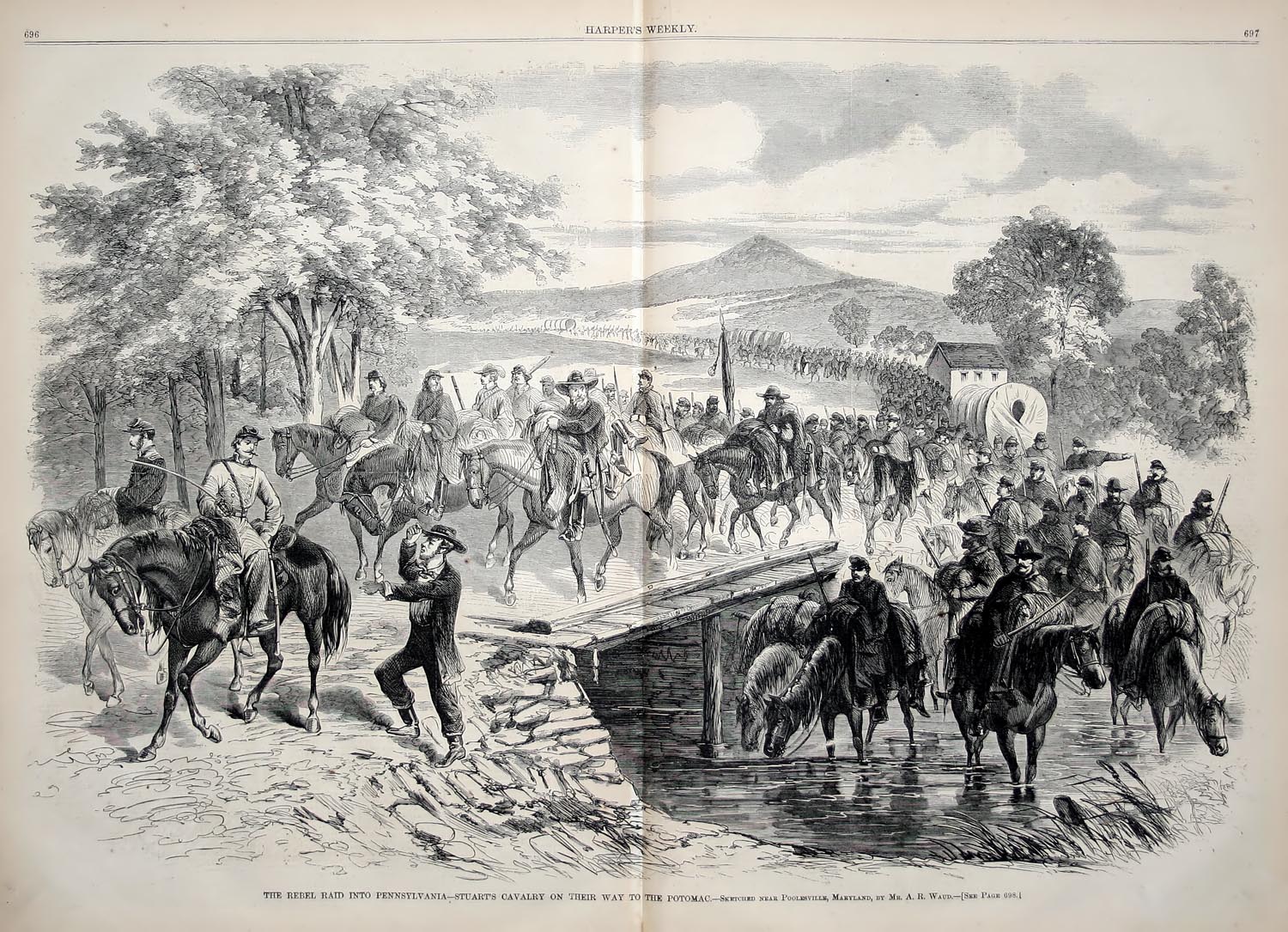
Harper's Weekly — The Rebel Raid into Pennsylvania, Stuart's Cavalry, 1862

Harper's Weekly — "The Rebel Raid into Pennsylvania — Stuart's Cavalry on their Way to the Potomac." Sketched near Poolesville, Maryland by A.R. Waud, 1862.

The 1844 Blair's Valley Log Church

The 1844 Log Church — standing on the same valley road Stuart's cavalry used on October 10, 1862.

Blair's Valley landscape
July 29–30, 1864

McCausland's March — The Burning of Chambersburg

The final and most consequential Civil War movement tied to Blair's Valley came in the summer of 1864. On July 29, Confederate General John McCausland led nearly 3,000 horsemen north over Blair's Valley Road toward Mercersburg, under orders from Lt. Gen. Jubal Early to demand ransom from Chambersburg and burn the town if payment was not produced. The Pennsylvania state marker on Blairs Valley Road records it plainly: "Over this road Gen. John McCausland's Confederate cavalry marched north on July 29, 1864. By way of Mercersburg, they reached and burned Chambersburg next morning."

Old Mercersburg calls what followed in Mercersburg the "Battle of Mercersburg" — 2,800 Confederates under Generals McCausland and Johnston opposed by "twenty-two men" of the Sixth U.S. Regular Cavalry under Lt. H.T. McLean (pp. 160–162). The narrative describes a running fight that opened near the Presbyterian parsonage corner and moved through repeated stands — at lime kilns on the Corner Road, at the church corner, at the Diamond, at the bridge, and out the Loudon road — claiming McLean's small force of veteran regulars delayed the advance "two or three hours." The NPS Civil War statewide skirmish list records a July 29 "Skirmish, Mercersburg," consistent with Old Mercersburg's account.

Chambersburg was burned the following morning, July 30. It was the only Northern city destroyed by Confederate forces during the Civil War. Blair's Valley Road was the route that made it possible.

July 29–30, 1864 — McCausland's March

  • ~3,000 Confederate cavalry under McCausland advance north over Blair's Valley Road, July 29
  • "Battle of Mercersburg": 2,800 Confederates vs. 22 Union regulars under Lt. H.T. McLean (6th U.S. Cavalry)
  • Running fight through Mercersburg: Presbyterian corner → lime kilns → church corner → Diamond → bridge → Loudon Road
  • McLean's veteran regulars delay the Confederate advance "two or three hours"
  • Column reaches Chambersburg the morning of July 30
  • Chambersburg burned — the only Northern city destroyed by Confederate forces in the Civil War
  • PHMC marker on Blairs Valley Road marks the route used
October 1862 – March 1863

Prisoners, Captures & Losses

As Stuart's column left Mercersburg for Chambersburg, they carried with them at least ten civilian hostages — named men taken from their homes and businesses. Old Mercersburg lists nine by name on page 150. A separate HMDB marker ("Citizens Seized") names a tenth, William Conner. Their fates were documented with unusual specificity for a small community.

Name Outcome Source & Notes
Daniel Shaffer Not exchanged until March 1863 Old Mercersburg, pp. 150, 154
Perry A. Rice Died in prison "some time in January, 1863" (exact date unspecified) Old Mercersburg, pp. 150, 154 (primary source gives month only; a secondary account gives Feb. 20 — treat as unverified)
C. Louderbaugh Released later because of age Old Mercersburg gives "C." only; marker names "Cornelius"
John McDowell Released later because of age Old Mercersburg, p. 150; advanced age noted; release detail from marker
James Grove Not exchanged until March 1863 Old Mercersburg, pp. 150, 154
William Raby Escaped in Montgomery County, MD before Potomac crossing Old Mercersburg, pp. 150, 154
D. O. Blair Escaped in Montgomery County, MD before Potomac crossing Old Mercersburg, pp. 150, 154
G. G. Rupley Released from Libby Prison on parole ~early Dec. 1862; reached Washington Dec. 4 Old Mercersburg, pp. 150, 154
Joseph Winger Released from Libby Prison on parole ~early Dec. 1862; reached Washington Dec. 4; identified as first hostage taken Old Mercersburg, pp. 150, 154; U.S. postmaster at Claylick
William Conner Not exchanged until March 1863 Not in Old Mercersburg p. 150 list; name supplied by "Citizens Seized" marker; later referenced in book as "Conner"

Source: Old Mercersburg (Woman's Club of Mercersburg, 1912), pp. 148–154. Supplemented by the "Citizens Seized" HMDB marker. Horse seizure data: "Nearly every farmer…lost from two to five horses"; Adam Hoke lost "no less than eighteen" (Old Mercersburg, p. 150).

Local Lore & Memory

Landmarks of the Valley

Fort Marshall and the Frontier Road System. Long before Civil War cavalry, the area's road logic mattered for frontier defense. The Fort Marshall state marker describes a settlers' refuge built about 1755 near the Warm Spring Indian Trail, used as a station in a daily militia patrol guarding the southwestern frontier of the Conococheague Settlement during the French and Indian War. The same ridges and trails that would later enable raids and escape routes were first understood as routes to be watched and defended.

Bear Ponds and the Mason–Dixon Uplands. Above the western wall of Blair's Valley, on the plateau associated with Two Top Mountain, local tradition recalls two shallow basins known as the Bear Ponds — remembered as places where bears once bathed and wallowed, and where wolves once roamed in sufficient numbers to warrant bounties. The same upland plateau is tied to the Mason–Dixon survey line, and local accounts describe five-mile marker stones that over time were removed or repurposed by residents — framed in the retelling as a lesson about the loss of historic boundary markers. These accounts survive in local tradition and newspaper recollection rather than archival survey records.

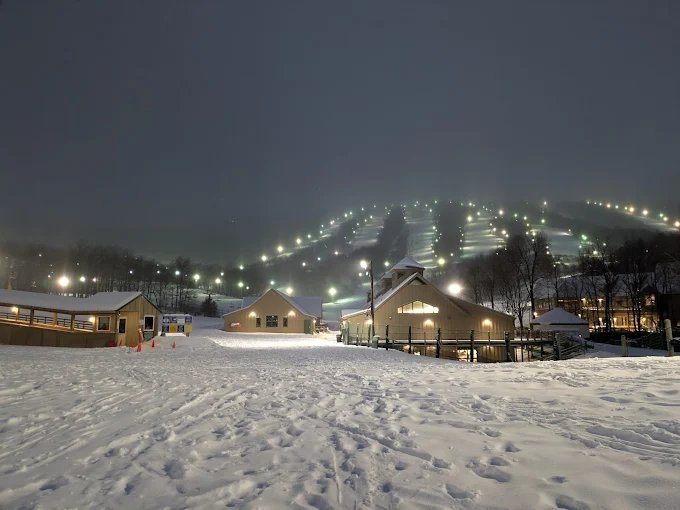
Whitetail Ski Resort. In the early 1990s, Blair's Valley acquired a visible new identity as a regional destination. Whitetail ski area opened in 1991, bringing a modern resort chapter to a valley that had known only farming, worship, and the occasional cavalry column for two and a half centuries.

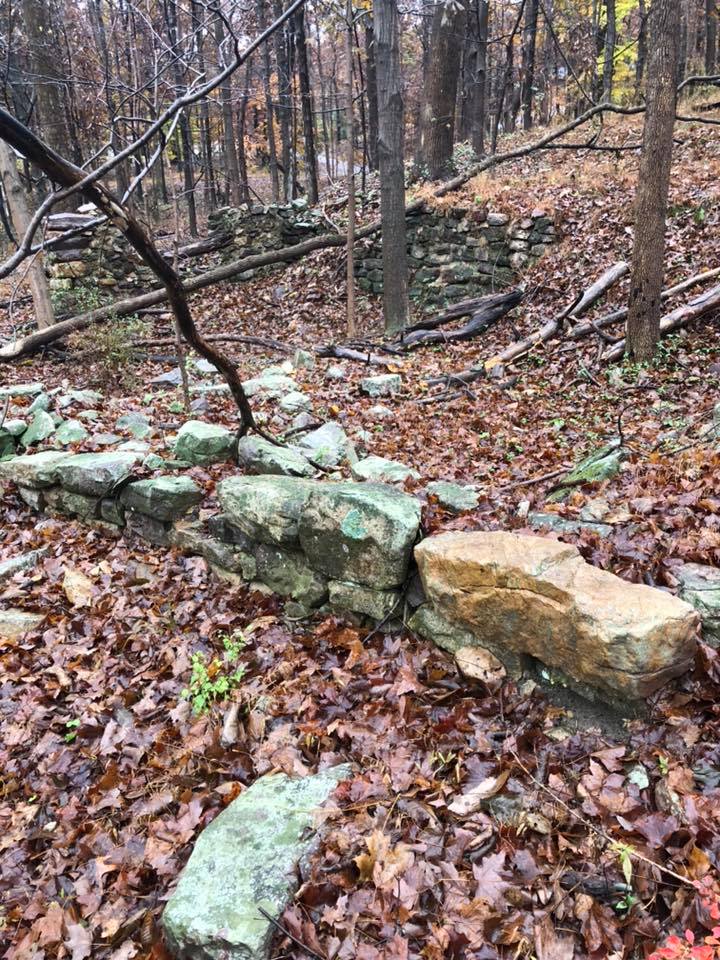
Stone foundation remains of a homesite in Blair's Valley

Stone foundation ruins of an old homesite in Blair's Valley — one of many remnants of the families who farmed this land for generations.

Blair's Valley c. 1749–1991

A Valley Timeline

1749
Andrew Blair purchases valley home site, April 19
c.1755
Fort Marshall built near Warm Spring Indian Trail
1844
Log Church established by deed, Sept. 13 — Rev. Levi Mills
1850s
Fugitive Slave Act era; Underground Railroad activity intensifies
Oct. 1862
Stuart's raid through Blair's Valley; hostages taken; horses seized
Jul. 1864
McCausland marches over Blair's Valley Road; Chambersburg burned
1985–86
Log Church restoration completed; commemorative services held
1991
Whitetail ski resort opens on Blair's Valley Road
2024
BVCG acquires the Log Church; preservation begins
Then & Now

The Valley Today

The farms that once lined Blair's Valley Road have largely fallen quiet. The families that built them — the Blairs, the Lawsons, and their neighbors — have scattered or passed into history. The small community that gathered at the log church for worship and fellowship is long gone. What remains are the structures they left behind: the church, the farmstead ruins, the old stone cemetery.

Blair's Valley Conservation Group was founded in 2024 to ensure those remnants survive. The organization acquired the Log Church in November 2024 and has begun the work of stabilizing and restoring it. The Lawson Cemetery — where some of the valley's earliest families rest — is another active preservation project.

The valley itself remains largely as it always was: a quiet corridor between ridges, a place where history accumulated quietly over centuries without anyone making much note of it. That is exactly why it needs protecting.

"The same ridges that sheltered freedom seekers and slowed Confederate cavalry now shelter a quiet valley road — and a church that still stands after 180 years."

Whitetail Ski Resort at night, Blair's Valley

Whitetail Ski Resort on Blair's Valley Road at night — opened in 1991, it brought a new chapter to a valley that had known only farming and faith for two and a half centuries.

Documentation

Primary Sources & References

Old Mercersburg (Woman's Club of Mercersburg, 1912), pp. 148–154, 159–162. The primary narrative backbone for the Civil War corridor, prisoner outcomes, horse seizures, and the "Battle of Mercersburg." Page citations throughout this page refer to printed page numbers in this volume.

Betty Jane Weller Lee, "Old Log Church, Blair's Valley Road, Mercersburg, PA" (September 2009 manuscript). Provides the Blair purchase date (April 19, 1749), valley family names, the Sept. 13, 1844 deed details, and the 1985–86 restoration history. Site archives.

Pennsylvania Historical & Museum Commission marker texts: Stuart's 1862 raid marker and the McCausland/Burning of Chambersburg 1864 marker, both placed on Blairs Valley Road. Both relocated to reflect the actual route used.

"Citizens Seized" HMDB marker (non-PHMC local marker): names ten hostages including William Conner, absent from Old Mercersburg's page-150 list.

U.S. National Park Service Civil War resources: statewide skirmish list confirming July 5, 1863 actions at Cunningham's Cross Roads and near Mercersburg; July 29, 1864 "Skirmish, Mercersburg"; and the Chambersburg burning interpretation.

Mercersburg Historical Society Civil War and Underground Railroad articles for local context and oral tradition not captured in state markers.

Franklin County tourism Underground Railroad overview for Warm Springs Indian Trail route framing.

Fort Marshall state marker for c.1755 frontier defense context.

Bear Ponds newspaper clipping set (site archives; remarks attributed to D. B. Kline; publication name and date unspecified in clipping as provided).

Help Preserve This History

The Log Church has stood since 1844.
Help it stand another century.

Donate to the Restoration